
English
English
Views: 0 Author: Site Editor Publish Time: 2026-09-06 Origin: Site


Premature filter bag failure carries hidden financial and operational costs that cripple facility efficiency. Unplanned downtime halts production lines and destroys daily output metrics. Increased fan load from blinded bags spikes energy consumption as motors struggle to pull air through clogged media. Furthermore, sudden emissions exceedances invite severe regulatory fines and environmental scrutiny. Predicting when filter media will fail remains a major challenge for plant operators. Facilities often rely on reactive replacements instead of optimized, scheduled changeouts. Moving to proactive lifecycle management requires deep technical insight. You must understand failure modes, operating environments, and precise material selection. Mastering these elements transforms baghouse maintenance from a constant emergency into a controlled, predictable process.
Degradation is Multi-Factorial: Filter bag service life is rarely dictated by a single variable; it is the compounding result of thermal, chemical, mechanical stressors, and total hours in service.
Pressure Drop as a Leading Indicator: Monitoring differential pressure (dP) trends is critical for identifying blinding, maximum dirt-holding capacity, and irreversible filter bag damage before catastrophic failure occurs.
Material Compatibility is Non-Negotiable: Selecting the correct filter cloth based on specific gas stream properties (moisture, acidity, temperature) and fabric weight is the highest-leverage decision for extending lifespan.
Cleaning System Calibration: Over-cleaning accelerates mechanical wear, while under-cleaning leads to blinding; optimizing the cleaning cycle is essential for maximizing ROI.
Baseline success for any baghouse means maintaining high gas permeability while efficiently capturing particulate matter. Several degradation mechanisms actively compromise this function over time. Understanding the physics and chemistry behind these failures is the first step toward prevention.
High-velocity particulate impact physically erodes the lower sections of filter bags. This acts much like a sandblasting process inside the hopper. Abrasive dusts strip away the protective fibers layer by layer. Cage friction also plays a massive role in mechanical failure. When a bag pulses, it expands rapidly and then snaps back against the metal cage. This constant flex fatigue breaks down the fabric structure. Metal-to-fabric abrasion accelerates this wear, especially if cages are corroded, bent, or improperly sized. Over time, these mechanical forces create localized holes and catastrophic tears.
In cement or foundry applications, heavy particulate loading at the inlet often causes premature wear on the bottom 12 inches of the bag. Installing baffle plates or drop-out boxes redirects this abrasive flow. Field audits frequently reveal vertical wear stripes on pulled bags. These stripes perfectly match the cage stringers, indicating the pulse pressure is too high or the cage fit is too loose.
Industrial gas streams often carry corrosive elements that attack filter media. Acidic or alkaline gases break down specific polymer chains within the fabric. This chemical degradation weakens the tensile strength of the bag. Hydrolysis represents a particularly destructive chemical reaction. It occurs when moisture combines with heat inside the gas stream. This combination devastates standard polyester and aramid fibers rapidly. The fibers lose their elasticity, become brittle, and eventually disintegrate under normal pulsing pressure. Preventing filter bag degradation requires matching the polymer's chemical resistance to the specific exhaust gas composition.
For example, boiler applications burning high-sulfur coal generate sulfur dioxide. When temperatures drop, this forms sulfuric acid, which eats through standard aramid bags in weeks. You must analyze the gas stream chemistry before specifying the fabric to avoid rapid chemical breakdown.
Continuous operation near maximum continuous operating temperatures severely stresses filter media. Heat accelerates the oxidation process in many synthetic fibers. The fabric structure weakens, losing its ability to withstand mechanical flexing. Temperature spikes during upset conditions cause even more severe issues. Sudden surges in heat can cause fibers to shrink dimensionally. This shrinkage pulls the bag tight against the cage, eliminating the necessary slack for effective pulse cleaning. In extreme cases, thermal excursions cause embrittlement or melt the fibers entirely.
A bag that has suffered thermal shrinkage will feel stiff and look noticeably shorter. When you try to pull it off the cage, it binds tightly. Operating just 20 degrees above the fabric's rated limit cuts its service life in half. Strict temperature monitoring prevents these irreversible thermal events.
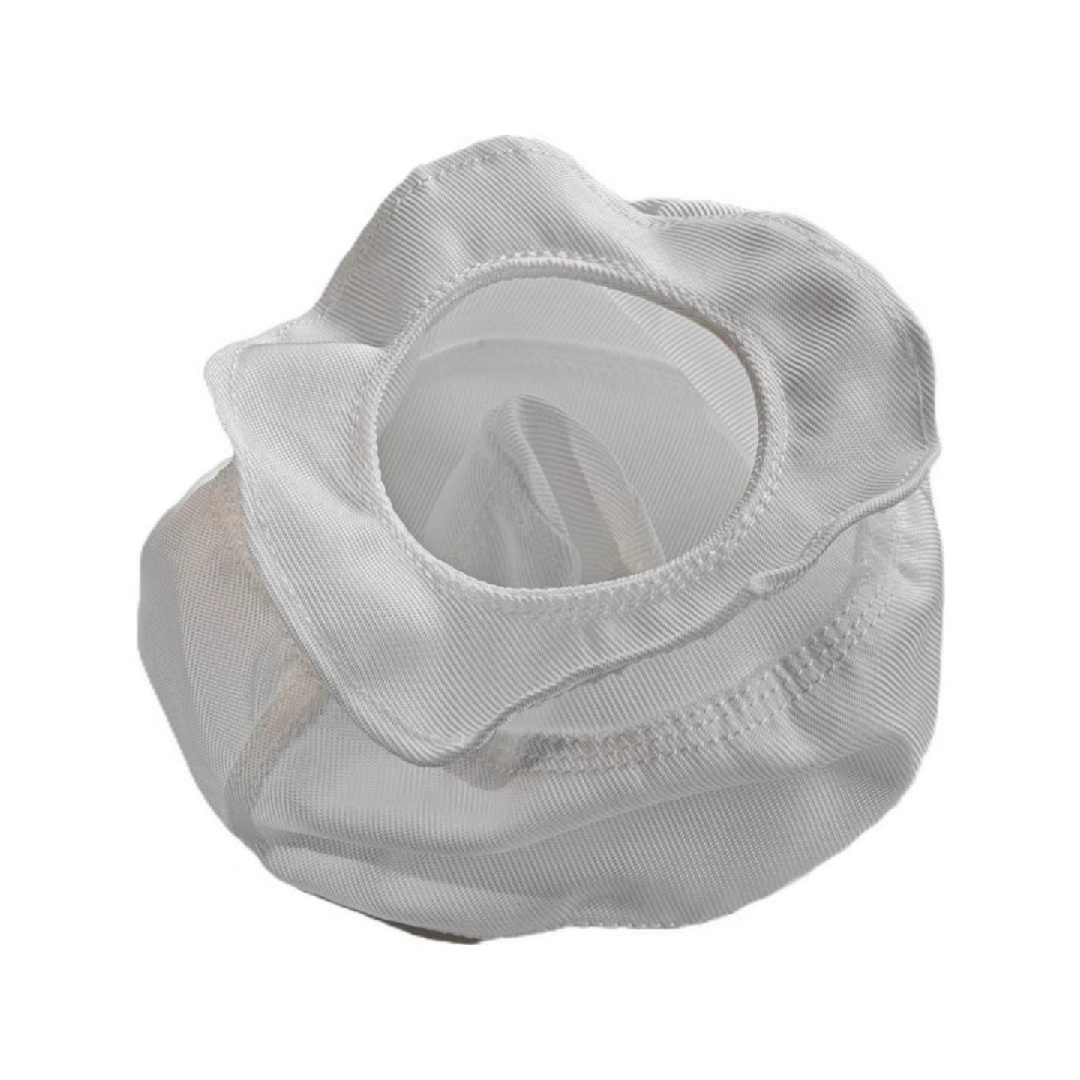
External operational variables dictate the rate of wear on your filtration media. Understanding these variables helps you manage the system better and optimize replacement schedules. Here we explore the core factors affecting filter bag service life.
Total hours in service combined with inlet dust loading dictate the degradation timeline. High dust concentrations push the media to its maximum dirt-holding capacity much faster. A baghouse running continuously faces different wear patterns than a batch-process system. Frequent upset conditions exponentially reduce expected lifespan. Surges in airflow or sudden particulate dumps overwhelm the cleaning system. Steady-state operations always yield better longevity. Managing the inlet load through pre-separation devices like cyclones can significantly reduce the burden on the filter bags.
Consider a woodworking facility versus a continuous steel mill. The woodworking plant might run 8-hour shifts, allowing the bags to relax offline. The steel mill runs 24/7, subjecting the bags to non-stop pulsing and continuous dust loading. The sheer volume of particulate processed directly correlates to the mechanical wear on the fabric.
Dew point excursions represent a critical threat to filter life. When temperatures drop below the dew point, moisture condenses inside the baghouse. This condensation causes physical mudding of the dust cake. It also triggers acid gas condensation, which chemically attacks the fabric. Fluctuating temperatures constantly stress the filter media. The continuous expansion and contraction lead to premature thermal fatigue. Maintaining a stable operating environment above the dew point but below the maximum temperature limit is required.
We frequently see mudding during winter months when uninsulated baghouses experience rapid heat loss. The moisture turns the dry dust into a thick paste. Once this paste dries on the bag, it forms a concrete-like shell that no pulse-jet can remove, forcing a complete bag replacement.
Dust characteristics heavily impact wear rates across the filtration system. Abrasiveness, bulk density, and particle size distribution matter immensely. Angular, heavy particles cause severe abrasion at the gas inlet. Fine, sub-micron particles penetrate deep into the fabric structure. Agglomerative or hygroscopic dusts tend to cause severe interstitial blinding. These sticky particles refuse to release during the cleaning cycle. They embed themselves within the felt, permanently destroying the bag's permeability.
Silica dust acts like tiny razor blades, cutting the fibers with every pulse. Conversely, sugar or powdered milk absorbs ambient moisture and clumps together. You must tailor the fabric finish to the specific dust morphology to maintain airflow.
Different cleaning mechanisms exert varying levels of stress on the fabric. Pulse-jet, reverse air, and shaker systems have distinct mechanical stress profiles. Pulse-jet systems are highly effective but aggressive. Pulse pressure, pulse duration, and frequency directly correlate to fabric fatigue. Over-pulsing destroys bags rapidly. Hitting the fabric with excessive compressed air fractures the fibers and drives dust deeper into the media. Calibrating the cleaning system to operate only when necessary preserves the structural integrity of the bags.
Many operators mistakenly crank up the air pressure when differential pressure rises. If the bags are already blinded, higher pressure will not clean them. It only accelerates mechanical failure by violently whipping the weakened fabric against the cage wires.
Maintenance teams need a reliable framework to evaluate bag health. Diagnosing root causes prevents repeat failures and optimizes system performance. Early detection of filter bag damage saves significant downtime and prevents environmental compliance issues.
Surface caking is normal and necessary for efficient filtration. The dust cake actually performs the primary filtering action. However, depth or interstitial blinding is terminal. This occurs when particles become permanently lodged inside the fabric matrix. Persistently high differential pressure, even immediately after a cleaning cycle, indicates failure. The bag has reached its maximum dirt-holding capacity. No amount of pulsing will restore its permeability. At this stage, the media acts as a solid wall, forcing the system fan to work harder while reducing total airflow.
A healthy baghouse might run at 2 to 4 inches of water gauge. If your system idles at 7 or 8 inches right after a full cleaning cycle, the bags are blinded. You can confirm this by cutting a cross-section of a removed bag. If the dust has penetrated the center scrim layer, the bag is dead.
Monitoring particulate emissions provides immediate feedback on bag health. Triboelectric probes and continuous emissions monitoring systems (CEMS) detect issues early. A sudden spike in particulate readings usually indicates a physical breach. These breaches often manifest as micro-tears, seam failures, or improper seating at the tube sheet. Continuous baseline monitoring allows operators to spot slow degradation before it becomes a reportable environmental violation. Fluorescent dye testing can pinpoint the exact location of these leaks during offline inspections.
Injecting a fluorescent tracing powder into the dirty air plenum is a highly effective diagnostic tool. You then inspect the clean air side with a blacklight. Any glowing powder instantly reveals torn bags, leaking welds, or poorly seated snap bands.
A proper baghouse audit reveals specific physical markers of degradation. Maintenance personnel must know exactly what to look for. Inspect the lower sections of the bags for localized holes caused by baffle wear. Check the fabric for stiffening, heavy caking, or dimensional shrinkage. Note any cage corrosion transferring to the bag, as rust acts like sandpaper against the fabric. Examine the snap bands or tensioning hardware for signs of bypass leakage. Documenting these physical markers helps identify upstream process issues causing the wear.
Look for "starring" at the bottom of the bags. This star-shaped wear pattern indicates the bag is too long and is dragging on the hopper walls or striking adjacent bags during the pulse cycle.
Actionable operational adjustments mitigate wear and improve system reliability. Effective filter bag maintenance transforms reactive facilities into proactive operations. Let's look at exactly how to extend filter bag life through targeted strategies.
Transitioning to clean-on-demand systems is a major upgrade. These systems are driven by differential pressure setpoints. Continuous timer-based cleaning causes unnecessary flex fatigue by pulsing clean bags. Set the cleaning cycle to initiate only when the pressure drop reaches a specific high limit. Furthermore, calibrate the header pressure to the minimum effective PSI. You only need enough force to dislodge the dust cake. Excessive compressed air pressure violently snaps the bag, accelerating fiber breakdown and increasing compressed air costs.
Most pulse-jet systems operate effectively between 80 and 90 PSI. If you are running at 110 PSI, you are likely damaging the bags. Lower the pressure in 5 PSI increments until you find the sweet spot where the dust cake releases without over-stressing the fabric.
Protecting virgin filter cloth during startup is critical. Use neutral pre-coat powders to establish an initial protective layer. This sacrificial cake protects the raw fibers from hydrocarbon blinding and moisture penetration. Pre-coating is especially important in applications involving sticky, oily, or highly abrasive dusts. It ensures the first layer of particulate does not embed permanently into the felt. Proper conditioning extends the usable life of the media right from day one.
Inject the pre-coat material into the system before introducing the process gas. Run the main fan at a reduced speed to draw the powder evenly onto the bags. Do not pulse the bags until the system reaches its normal operating differential pressure.
Establish a rigorous schedule for physical inspections. Check hopper discharges regularly to ensure dust is not backing up into the bags. Inspect pulse valve diaphragms monthly for tears or sluggish operation. A failed diaphragm wastes compressed air and leaves a row of bags uncleaned. Perform leak testing using fluorescent dye tests during annual shutdowns. Transition your maintenance culture from rigid time-based schedules to condition-based replacement strategies. Let the data dictate when maintenance is required.
A backed-up hopper is a common cause of catastrophic bag failure. If the dust level reaches the bottom of the bags, the abrasive material will chew through the fabric in a matter of hours. Install high-level hopper alarms to prevent this scenario.
Matching fabric features to operational outcomes is the most critical engineering decision. The technical buyer must weigh multiple variables to prevent rapid degradation. Selecting the wrong material guarantees premature failure regardless of maintenance practices.
Different polymers offer distinct advantages and vulnerabilities. Polyester is highly cost-effective and performs well in dry, ambient conditions. However, it is highly susceptible to hydrolysis. Aramid (Nomex) handles high temperatures exceptionally well but remains vulnerable to moisture and acid attacks. Fiberglass offers excellent temperature and chemical resistance. Unfortunately, it has poor flex tolerance and requires specific rigid cage designs to prevent self-destruction. PTFE (Teflon) provides ultimate chemical and thermal resistance but requires a larger upfront investment.
When dealing with municipal waste incinerators, the gas stream contains a volatile mix of acids, moisture, and high heat. In these extreme environments, PTFE is often the only viable option. Using a cheaper aramid bag in this setting will result in failure within weeks.
Filter Material | Max Operating Temp | Chemical Resistance | Flex Abrasion Resistance | Best Application |
|---|---|---|---|---|
Polyester | 275°F (135°C) | Fair | Excellent | Dry, ambient dust collection |
Aramid (Nomex) | 400°F (204°C) | Good (Poor vs Acid) | Excellent | High temp, dry applications |
Fiberglass | 500°F (260°C) | Excellent | Poor | High temp, corrosive gases |
PTFE (Teflon) | 500°F (260°C) | Excellent | Fair | Extreme chemical environments |
Polypropylene | 190°F (88°C) | Excellent | Good | High moisture, low temp |
Fabric weight directly impacts durability and filtration efficiency. A heavier 18 oz per square yard felt generally offers better abrasion resistance than a 16 oz felt. However, heavier fabrics can blind faster if the dust is exceptionally fine. Construction types also matter. Non-woven needle-punched felts provide excellent depth filtration. Woven fabrics are typically reserved for specific shaker or reverse air systems. The physical construction must match the cleaning mechanism to survive the mechanical stress.
The scrim layer inside a non-woven felt provides the dimensional stability. If you are experiencing bag elongation, you may need a stronger scrim material, such as a PTFE scrim inside an aramid felt, to prevent the bag from stretching and bottoming out in the hopper.
Surface treatments act as powerful lifecycle extenders. Laminating an ePTFE membrane to the fabric improves surface filtration dramatically. It prevents fine dust from penetrating the felt, reducing interstitial blinding. The slick surface also improves cake release during the pulse cycle. Singeing removes loose fibers from the surface, reducing dust adherence. Glazing melts the surface fibers slightly to create a smooth finish. Oleophobic and hydrophobic chemical treatments repel oil and water, protecting the base fibers from chemical attack.
An ePTFE membrane turns a standard depth filter into a surface filter. The dust cake forms entirely on the membrane, never reaching the underlying felt. This drastically lowers the differential pressure and extends the bag's life, often justifying the higher initial cost.
Common pitfalls cause brand new filter bags to fail prematurely. Proper risk management ensures your investment survives the initial startup phase. Installation errors account for a significant percentage of early bag failures.
Cold startups present a massive risk to new filter media. Crossing the dew point allows moisture to condense directly on the virgin bags. This immediate moisture exposure causes instant mudding and permanent blinding. Pre-heating the baghouse with clean, hot air prevents this condensation. Always bypass the baghouse during initial combustion startup until the gas stream temperature stabilizes above the dew point. Protecting the bags during these vulnerable transition periods is mandatory.
Implement an automated bypass damper system. This ensures the process gas only enters the baghouse once the temperature sensors confirm the environment is safely above the acid and water dew points.
Correct installation dictates long-term performance. Proper tensioning is vital for reverse air and shaker systems. For pulse-jet systems, ensure proper cage fit. Oversized cages stretch and tear the fabric. Undersized cages allow too much flex, accelerating mechanical wear. Proper snap-band seating is critical to prevent bypass leaks at the tube sheet. A poorly seated bag allows dust to bypass the filter entirely while causing mechanical chafing against the metal plate.
Always perform a pop test on snap-band bags. You should hear a distinct pop when the band seats correctly into the tube sheet hole. Run your fingers around the inside of the band to ensure there are no kinks or folds. A single kink will cause a massive dust leak.
Schedule a comprehensive baghouse audit to identify current wear patterns, cage conditions, and tube sheet integrity.
Request a detailed fabric analysis and permeability test from a qualified manufacturer to ensure chemical compatibility with your specific gas stream.
Upgrade differential pressure monitoring systems to enable clean-on-demand pulsing and eliminate timer-based over-cleaning.
Calibrate pulse-jet header pressures to the lowest effective PSI required for cake release to minimize mechanical flex fatigue.
Implement strict automated bypass procedures during cold startups to prevent dew point excursions and immediate moisture blinding.
A: The industry average ranges from one to three years. However, this timeframe is heavily dependent on the specific application, total hours in service, and inlet dust load. Abrasive dusts, high chemical loads, or frequent temperature excursions will significantly shorten this lifespan.
A: Moisture triggers hydrolysis in certain polymers, chemically breaking down the molecular structure of the fibers. Additionally, moisture mixes with hygroscopic dusts to create a physical mudding effect. This permanently cakes the fabric surface and destroys gas permeability.
A: Blinding occurs when dust particles embed deep within the fabric (interstitial) or form an impenetrable surface layer. While light surface blinding might be cleaned, severe interstitial blinding means the bag has reached its maximum dirt-holding capacity and requires immediate replacement.
A: Perform differential pressure checks daily. Inspect pulse-valve diaphragms and hopper discharges monthly. Conduct a comprehensive physical baghouse audit annually. Balancing scheduled intervals with condition-based monitoring yields the most reliable system performance.
A: Yes. Using the lowest effective pressure required to dislodge the dust cake significantly reduces mechanical flex fatigue. Over-pulsing aggressively snaps the fabric against the metal cage, accelerating physical wear and fiber breakdown.
A: Thermal degradation and spark carryover are the primary threats. Continuous exposure to extreme heat weakens standard fibers over time. High-temperature environments necessitate specialized, heat-resistant materials like PTFE, Aramid, or Fiberglass to maintain structural integrity.


