
English
English
Views: 0 Author: Site Editor Publish Time: 2026-09-05 Origin: Site


Incorrect filter media selection drives unplanned downtime, excessive energy consumption, and regulatory compliance failures. Facility managers and environmental engineers must constantly balance strict emission limits with rigorous maintenance schedules. This requires an exact match between particulate properties, gas stream conditions, and the specific filter media deployed in the collector. When a system operates with mismatched fabrics, facilities experience rapid differential pressure spikes, premature bag blinding, and eventual structural failure of the filter material.
We provide a systematic, engineering-focused framework to evaluate filtration media. You will learn how to analyze dust morphology, evaluate chemical gas stream compositions, and match these variables to the correct polymer. By applying these principles, you ensure optimal air-to-cloth ratios, extended bag lifespan, and reliable environmental compliance across your dust collection infrastructure.
Gas stream temperature and chemical composition (acids, alkalis, moisture) dictate the baseline material choice; ignoring these guarantees premature media failure.
While a standard polyester filter bag is the industry workhorse for dry, ambient applications, specialized environments require specific polymers like polypropylene, PPS, or P84.
Proper bag-to-cage fit, cleaning mechanism compatibility, and surface treatments (e.g., PTFE membranes) are critical for effective dust cake release and preventing blinding.
Confirming that a baghouse is the correct system choice over a cartridge collector is the foundational step in system design. Filter bags excel in handling heavy dust loads, sticky particulates, and highly abrasive materials. In environments where high temperatures or high moisture levels are present, pleated cartridges quickly clog or structurally degrade. The cylindrical shape of a bag allows heavy dust agglomerations to fall freely into the hopper during the cleaning cycle. Tight cartridge pleats often trap material, leading to permanent bridging across the pleat folds.
Understanding air-to-cloth dynamics is also necessary when validating this form factor. Bag filters generally operate at higher air-to-cloth ratios than cartridges. This means a higher volume of air passes through a smaller surface area of media. Because of this increased velocity, the media selection must be robust enough to withstand the physical impact of incoming particulates without allowing them to embed deeply into the fabric structure. High can velocities in the collector housing can sweep falling dust back onto the bags, so the spacing between tubular bags provides a distinct advantage over densely packed cartridges.
Engineers follow a specific sequence to validate the baghouse form factor:
Measure the incoming dust loading rate in grains per cubic foot.
Determine the moisture content and potential for condensation.
Evaluate the particulate abrasiveness using the Mohs hardness scale.
Record the maximum continuous and surge operating temperatures.
Assessing how jagged or spherical particles impact mechanical wear on the fabric dictates the need for heavier ounce weights or specialized weaves. Abrasive dusts, such as silica, cement, or metal shavings, act like sandpaper against the filter media. When dealing with these materials, engineers typically specify a heavier felt, often 16 to 18 ounces per square yard. This provides a thicker barrier against mechanical degradation. Spherical particles tend to roll off the media surface more easily but can pack densely, creating a highly restrictive dust cake that drives up differential pressure.
Identifying hygroscopic dusts that clump and bridge requires specific non-stick surface treatments to maintain airflow. Materials like sugar, salt, or certain chemical powders absorb moisture from the air. Once damp, they form a sticky paste that adheres stubbornly to untreated fibers. This agglomeration prevents the cleaning mechanism from dislodging the dust cake, leading to rapid blinding. Applying hydrophobic treatments or utilizing slick surface membranes prevents this moisture-driven adhesion.
Mapping the dust's particle size to the filter bag's specific micron rating achieves efficiency targets without causing premature depth-blinding. Facilities must meet strict PM2.5 or PM10 compliance standards. If the media's pores are larger than the particulate, the dust will penetrate the depth of the felt, permanently restricting airflow. Selecting a media that is too tight for a large particulate unnecessarily increases differential pressure and fan energy consumption.
Dust Type | Morphology | Abrasiveness | Recommended Media Weight |
|---|---|---|---|
Silica Sand | Jagged / Angular | High | 16 - 18 oz/yd² |
Wheat Flour | Spherical / Soft | Low | 12 - 14 oz/yd² |
Fly Ash | Spherical / Glassy | Medium to High | 16 oz/yd² |
Metal Fume | Sub-micron / Agglomerating | Low | 14 oz/yd² (with membrane) |
Mapping continuous operating temperatures against potential surge temperatures establishes the absolute thermal limits for the media. Every polymer has a critical degradation point. Operating even slightly above this limit causes the fibers to melt, shrink, or become brittle. You must account for process upsets, startup conditions, and exothermic reactions that could cause sudden, severe temperature spikes within the baghouse. A sudden surge of 400°F gas will instantly destroy standard ambient media.
Identifying the presence of acids, alkalis, or oxidizing agents in the gas stream dictates the chemical resistance required of the polymer. Industrial combustion processes often release sulfur dioxide or hydrogen chloride. When these gases interact with the filter media, they attack the molecular bonds of the polymer. Selecting a material with the appropriate pH resistance ensures the bags will not dissolve or lose tensile strength during normal operations.
Calculating the risk of condensation prevents moisture from leading to acid gas formation and immediate filter blinding. The dew point is the temperature at which water vapor condenses into liquid. If the gas stream temperature drops below the dew point inside the collector, water droplets form on the bags. This liquid mixes with collected dust to form a mud-like layer. In combustion applications, water mixes with acidic gases to create highly corrosive liquid acids that rapidly destroy standard filter media.
Dry environments, standard ambient temperatures, woodworking, cement, and general manufacturing represent the best use cases for standard filtration media. A polyester filter bag provides exceptional dimensional stability, meaning it resists stretching or shrinking under mechanical stress. This material is highly durable, offering strong resistance to abrasion from rough particulates. It serves as the default choice for the vast majority of standard industrial applications where extreme heat and harsh chemicals are absent.
The performance limits of this material are strictly bound by temperature. It has a maximum continuous operating temperature of 275°F (135°C). As long as the process remains below this threshold and the gas stream is relatively dry, the material will perform reliably for extended life cycles. Manufacturers produce it as a non-woven needle felt, providing a deep, tortuous path that effectively captures fine dust while allowing clean air to pass through the interstitial spaces.
This material has distinct vulnerabilities. It offers poor resistance to high moisture combined with elevated temperatures, a condition that leads to hydrolysis. Hydrolysis is a chemical reaction where water molecules break the polymer chains, causing the fabric to become brittle and disintegrate. It is also highly susceptible to degradation from strong acids and alkalis. You should never deploy it in aggressive chemical environments or coal-fired combustion applications.
Applications with high moisture content or aggressive chemical exposure require a different approach. Food processing, chemical manufacturing, and galvanic processes frequently utilize a polypropene filter bag. This polymer is inherently hydrophobic, meaning it absorbs zero moisture. This characteristic makes it exceptionally effective in wet environments where other fabrics would swell, blind, or degrade under the weight of wet dust.
The primary advantage of this material is its excellent resistance to most acids and alkalis. It withstands highly corrosive gas streams that would rapidly destroy standard media. Because it does not absorb water, it resists the formation of sticky, moisture-driven dust cakes. This allows for efficient pulse-jet cleaning even in highly humid conditions, keeping differential pressure within acceptable operating ranges.
The critical vulnerability of this polymer is its thermal threshold. It has a very low maximum operating temperature limit of approximately 200°F (93°C). Exceeding this temperature causes immediate structural failure, melting, and severe shrinkage. Its use remains strictly confined to ambient or low-temperature processes where chemical resistance is the primary operational requirement.
Coal-fired boilers, municipal incinerators, and high-temperature applications with significant acid gas content demand specialized polymers. A PPS filter bag is engineered specifically for these harsh conditions. It provides exceptional resistance to the sulfur compounds and acidic byproducts generated during the combustion of fossil fuels and waste materials.
This material operates effectively up to continuous temperatures of 375°F (190°C). It maintains its tensile strength and dimensional stability in hot, acidic environments, making it the standard choice for power generation facilities. The fibers resist chemical attack from both acids and alkalis, ensuring a long operational lifespan in complex chemical gas streams where standard polymers would dissolve.
Despite its strengths, this polymer is highly susceptible to degradation in high-oxygen environments. Oxidizing agents attack the molecular structure of the material. When deploying this media, facilities must implement strict oxygen level monitoring, ensuring the gas stream remains below 8-9% oxygen content. If oxygen levels spike at elevated temperatures, the fabric will rapidly oxidize, become brittle, and fail mechanically during the cleaning cycle.
Smelting operations, asphalt plants, and extreme temperature environments requiring high filtration efficiency rely on advanced polyimide fibers. A P84 filter bag withstands continuous operating temperatures up to 500°F (260°C). This makes it suitable for processes where standard polymers and even mid-tier high-temperature fabrics would immediately melt or combust.
The unique physical structure of this fiber sets it apart. It features an irregular, multi-lobal fiber shape, often described as a tri-lobal cross-section. This shape drastically increases the available surface area of the fiber. Instead of allowing fine dust to penetrate the depth of the felt, the multi-lobal fibers capture particulate directly on the surface. This pure surface filtration significantly improves efficiency, lowers differential pressure, and enhances dust cake release during the cleaning cycle.
The primary vulnerability of this material is its sensitivity to alkaline hydrolysis. While it handles heat and moderate acids well, the presence of strong alkalis combined with moisture will rapidly degrade the polyimide structure. Engineers must carefully analyze the gas stream for alkaline compounds before specifying this highly specialized media for their collectors.
Certain industrial processes present edge cases that fall outside the capabilities of the primary polymers. In these scenarios, specialized secondary media options are deployed to ensure system reliability.
Aramid (Nomex): Ideal for high-temperature applications (up to 400°F) where oxygen levels are too high for PPS. Aramid is highly vulnerable to moisture and acid hydrolysis, requiring strict dew point management.
Fiberglass: Highly effective for extreme heat (up to 500°F) and offers excellent chemical resistance. Its main drawback is extreme susceptibility to mechanical flex-wear, requiring specialized 20-wire cages and gentle cleaning cycles.
PTFE (Teflon): Offers the ultimate chemical and thermal resistance, capable of handling temperatures up to 500°F with near-universal chemical immunity. Facilities use it in the most aggressive waste-to-energy incineration environments.
Cotton: A legacy natural fiber used primarily in low-temperature, non-corrosive ambient shaker systems. Modern pulse-jet systems rarely use it due to its lack of durability and temperature resistance.
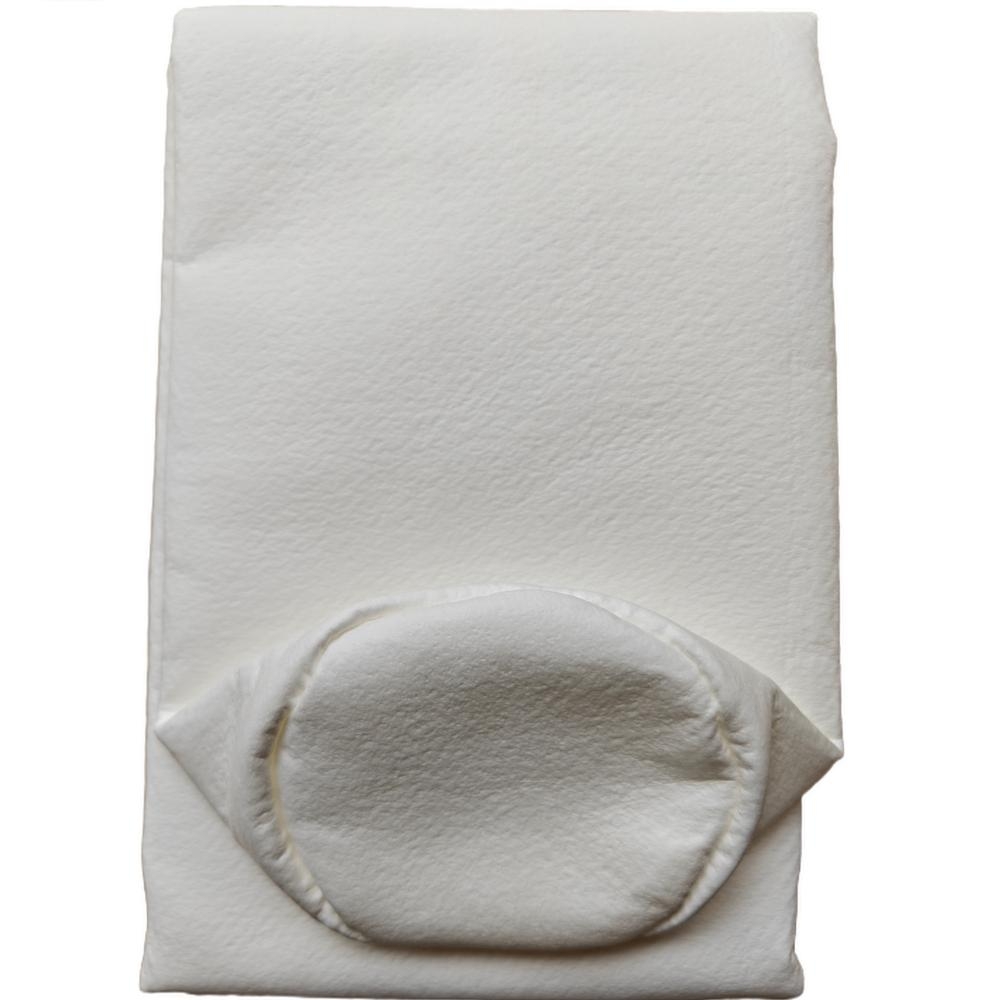
Pulse-jet systems require heavy-duty, non-woven felted bags supported by internal cages. During a cleaning cycle, a diaphragm valve releases a high-pressure burst of compressed air down into the bag. This creates a shockwave that travels the length of the fabric, rapidly expanding it away from the cage to fracture and expel the dust cake. The media must possess high tensile strength and thickness to withstand these continuous, violent mechanical flexes without tearing or stretching out of tolerance.
Shaker and reverse air systems operate on entirely different mechanical principles. They typically utilize woven filter bags rather than non-woven felts. These bags are often constructed with straps, loops, or grommets for tensioning. Shaker systems rely on mechanical agitation to physically dislodge the dust, while reverse air systems use a gentle backward flow of air to collapse the bag slightly, breaking the dust cake. The media used here must be flexible and woven to accommodate these low-impact cleaning methods without suffering from flex-fatigue.
Calculating the air-to-cloth ratio involves matching the total volume of air (CFM) to the total square footage of available filter media. This ratio dictates the velocity at which the gas stream approaches the fabric. A heavy dust loading of fine, sticky particulate requires a lower ratio to prevent the dust from being driven forcefully into the pores of the material. Large, dry particulates can often be managed with a higher ratio without risking depth blinding.
An excessively high air-to-cloth ratio drives particulates deep into the media, causing irreversible depth blinding. When dust bypasses the surface and embeds within the felt, the cleaning mechanism cannot dislodge it. This leads to a permanent increase in differential pressure, severely reduced filtration efficiency, and a massive increase in the electrical load drawn by the main ID fan as it struggles to pull air through the clogged fabric.
Application / Dust Type | Typical Air-to-Cloth Ratio (Pulse-Jet) | Risk of High Ratio |
|---|---|---|
Woodworking / Sawdust | 8:1 to 10:1 | Low (Large particulate) |
Cement / Rock Dust | 5:1 to 7:1 | Medium (Abrasive wear) |
Metallurgical Fume | 2.5:1 to 4:1 | High (Severe depth blinding) |
Chemical Powders | 3:1 to 5:1 | High (Agglomeration) |
Mechanical finishes manipulate the physical surface of the felt to improve performance. Singeing involves passing the fabric over an open flame to burn off loose surface fibers, creating a smoother face that promotes better dust release. Glazing takes this a step further by applying heat and pressure to slightly melt the surface fibers, resulting in a slick, eggshell-like finish that is highly effective for sticky or agglomerating dusts.
Chemical treatments involve immersing the fabric in specialized baths. Oleophobic and hydrophobic dips coat the fibers with a protective layer that repels oil and water. This prevents moisture from penetrating the felt and stops oily particulates from coating the fibers, ensuring the media remains breathable even in challenging process conditions where condensation is a constant threat.
Laminating a microporous ePTFE membrane to the substrate achieves near-zero emissions and pure surface filtration. The membrane acts as an impenetrable barrier to fine dust, forcing all particulate to collect on the absolute surface of the bag. This prevents depth blinding entirely, ensures extremely low differential pressure, and provides the highest possible filtration efficiency for sub-micron particulate.
Selecting media capable of maintaining compliance with strict particulate emission caps is non-negotiable for modern facilities. OSHA and EPA standards dictate allowable emission levels, and failing to meet these targets results in severe operational penalties. High-efficiency media, particularly those with ePTFE membranes, ensure that facilities remain well below mandated emission thresholds, protecting both indoor air quality for workers and the surrounding external environment.
Combustible dust regulations, governed by NFPA standards, also influence media selection. In environments where dust is highly explosive, facilities must implement anti-static filter bags. These bags incorporate conductive fibers woven into the felt, which ground the bag to the metal cage and tube sheet. This prevents the buildup of static electricity, eliminating the risk of a static discharge igniting the combustible dust cloud within the collector housing.
Moisture condensation crossing the dew point turns dry dust into an impenetrable paste. This is a primary risk during system startup or shutdown when temperatures fluctuate. Selecting an incorrect micron rating for the particulate size allows fine dust to bypass the surface and permanently clog the internal depth of the felt. Once a bag is depth-blinded, no amount of pulse-jet cleaning will restore its original permeability, forcing a complete changeout.
Implementing hopper heaters and pre-heating the system before introducing dust mitigates the risk of condensation. By ensuring the internal temperature of the baghouse is above the dew point before the process gas enters, you prevent moisture from forming on the bags. Utilizing hydrophobic surface treatments provides a secondary layer of defense. Carefully matching the media's micron rating to the specific particle size distribution of the dust ensures that the dust cake forms on the surface rather than inside the fabric.
Unexpected temperature spikes or chemical surges can melt or dissolve the filter media in a matter of minutes. A process upset that sends a wave of 400°F gas into a collector equipped with standard 275°F rated bags will result in immediate catastrophic failure. An unexpected surge of acidic gas will rapidly break down polymers that lack the necessary chemical resistance, leading to massive bag tears and emission leaks.
Installing continuous temperature monitoring systems with automated bleed-in air dampers protects the baghouse from thermal spikes. If the temperature approaches the media's limit, the dampers open to introduce cool ambient air, rapidly lowering the internal temperature. If process variables fluctuate consistently, upgrading to a higher-tier polymer provides a necessary safety margin against chemical and thermal degradation.
Holes and abrasions are frequently caused by improper tensioning, incorrect bag construction for the cleaning type, or degraded filter cages. In a pulse-jet system, if the bag is too loose around the cage, the fabric will snap violently against the metal wires during every cleaning cycle, quickly wearing holes in the material. If cages are rusted, bent, or have broken welds, the sharp edges will slice through the fabric as it flexes.
Standardizing installation protocols and ensuring exact bag-to-cage fit tolerances eliminates mechanical wear. Follow these steps during installation:
Inspect all cages for broken welds, rust, and sharp edges. Reject damaged cages immediately.
Ensure the snap band seats perfectly into the tube sheet hole with an audible click.
Verify the bag length matches the cage length, leaving no excess fabric to bunch at the bottom.
Run a fluorescent dye test after installation to identify any bypass leaks before introducing process dust.
Measure your gas stream temperature, moisture content, and chemical composition to establish baseline media requirements.
Inspect all current filter cages for broken welds, rust, and proper fit tolerances before installing new media.
Run a fluorescent dye leak test immediately after installation to verify the integrity of the tube sheet seal.
Install a broken bag detector on the clean air exhaust stack to monitor real-time particulate emissions.
A: Bag filters are cylindrical fabric tubes ideal for heavy dust loads, sticky particulates, and high temperatures. They handle higher air-to-cloth ratios and shed dust easily during cleaning. Cartridge filters use pleated paper or synthetic media, offering high efficiency in a compact footprint, but they are prone to clogging if exposed to heavy, sticky, or abrasive dust.
A: The maximum continuous operating temperature for this standard material is 275°F (135°C). Exceeding this temperature will cause the polymer fibers to shrink, melt, and permanently fail. You must monitor process temperatures to prevent unexpected thermal spikes from destroying the media.
A: You should choose this material when your process involves high moisture levels, heavy condensation, or aggressive chemical exposure (acids and alkalis). It absorbs zero moisture, preventing sticky dust cakes, but it has a lower maximum temperature limit of 200°F (93°C).
A: The air-to-cloth ratio determines the velocity of air passing through the media. A ratio that is too high forces fine dust deep into the fabric pores, causing irreversible depth blinding, high differential pressure, and reduced airflow. A properly sized ratio ensures dust collects on the surface for easy cleaning.
A: Filter cages provide the internal structural support for the bags. If cages are rusted, bent, or have broken welds, the sharp metal edges will abrade and slice through the new fabric during the mechanical flexing of the pulse-jet cleaning cycle, leading to immediate bag failure.
A: Hydrolysis occurs when high moisture levels combine with elevated temperatures, causing water molecules to chemically attack and break the polymer chains of the filter media. This reaction makes the fabric brittle and weak, leading to rapid disintegration and structural failure during cleaning cycles.


